
Home›Car accident claims›Who Must a Taxi Driver Notify After an Accident?
Who Must a Taxi Driver Notify After an Accident?
A taxi or private-hire driver can have more than one reporting obligation after a collision: road traffic duties, commercial motor insurance conditions, licensed operator rules and requirements imposed by the taxi or PHV licensing authority. The deadlines are not identical everywhere in the UK.
Actual insurance and licensing duties, employment rights or financial recovery depend on the policy, contract, authority and facts.
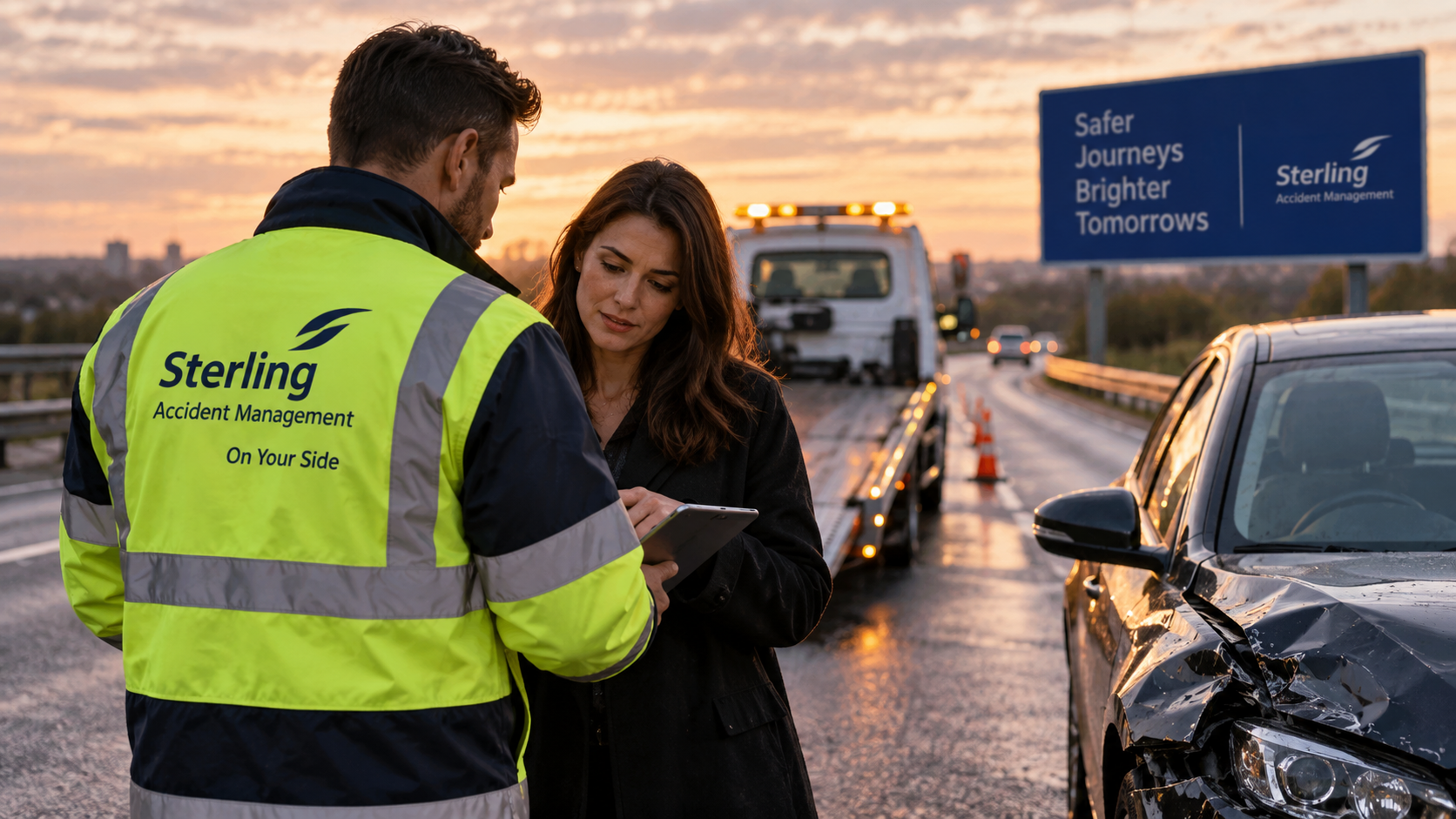
A taxi or private-hire driver can have more than one reporting obligation after a collision: road traffic duties, commercial motor insurance conditions, licensed operator rules and requirements imposed by the taxi or PHV licensing authority. The deadlines are not identical everywhere in the UK.
Who must be told after a taxi accident?
First comply with the ordinary legal duty to stop and provide the required driver, vehicle and owner details, and report to police where injury or failure to exchange the necessary particulars makes this mandatory.
Notify the actual motor insurer providing cover for the taxi or PHV and tell your licensed operator or platform where its rules require it. Separately check whether the licensing body must receive notice; those conditions can differ between TfL and local councils.
See GOV.UK accident duties and your written taxi licensing conditions.
How do TfL and local authority licensing rules differ?
London Transport for London licensing conditions govern its licensed taxi and private-hire drivers and vehicles. Elsewhere, councils set or administer the relevant taxi and PHV licensing regime, which can include reporting specified incidents.
Do not copy a deadline from another council’s website and assume it applies to your licence. Look up the exact condition on your licence and verify with your licensing team where uncertain.
London’s official source is TfL licensing guidance.
What should you tell the insurer and operator?
Provide the truthful collision date and time, trip status, registration, passengers or other people affected, known injuries, police reference, photos and whether the vehicle remains driveable.
Operators may have specific incident, safeguarding or service interruption procedures. App-platform reporting is separate from notifying the motor insurer; one submission does not automatically replace the other.
Only share relevant passenger details using approved secure channels and never publish private trip data online.
What if the taxi can no longer carry passengers?
A damaged taxi should not return to commercial service if roadworthiness or applicable licensing conditions have been compromised. Check the engineer’s assessment, necessary inspections and appropriate repair approval.
If a substitute is offered, confirm actual vehicle licensing, approved driver, hire-and-reward cover and operator permissions. Ordinary personal car hire is not necessarily suitable for licensed taxi work.
A collision may affect income, but compensation is not automatically payable; keep downtime and expense evidence for any separate qualifying claim.
What happens if you report late?
Report accurately as soon as possible rather than concealing or changing dates. Ask the insurer, operator and licensing authority what rule applies and how they will handle the delay.
A late report may affect claim evidence or licence compliance, but outcomes depend on the actual conditions and circumstances. For general late insurer notification see our late reporting guide.
Five practical steps
- 1
Address immediate safety
Make the collision scene safe; exchange details and contact police where required.
- 2
Notify the correct people
Notify the commercial motor insurer with the correct trip status and claim facts.
- 3
Gather and check the evidence
Report to the licensed taxi or PHV operator and any relevant app platform.
- 4
Confirm responsibilities in writing
Check TfL or your council licence to identify additional reporting duties and deadlines.
- 5
Keep a final record
Preserve insurer, operator and licensing acknowledgments and arrange safe vehicle assessment.
Keep a clear paper trail: record policy and licence references, decisions, dates, actual costs and who approved the next action. Do not invent accident details or financial figures.
Who Must a Taxi Driver Notify After an Accident?: FAQs
Does every taxi accident need reporting to TfL?
TfL obligations apply to its licensees; check the current rules and the incident’s circumstances rather than assuming a universal duty.
What if I am licensed outside London?
Check the conditions of the council or authority that issued the relevant taxi/PHV licence.
Must I notify my taxi insurer after minor damage?
Follow the commercial policy’s reporting terms; GOV.UK expects insurer notification even without a claim.
Does telling Uber or Bolt also notify my insurer?
Not automatically. Use both the required operator and insurer reporting channels.
Should I report passenger injuries?
Follow applicable police, insurer, operator and licensing duties and seek medical help as appropriate.
Do I have to report an accident when off duty?
Your insurer and licensing conditions may still require it; give the correct use and trip status.
Can I keep working with a damaged taxi?
Only if it is roadworthy and complies with applicable taxi licensing and insurance requirements.
Can Sterling submit every mandatory report for me?
Do not assume so; drivers should verify and fulfil their own insurer, licensing and operator obligations.
Need vehicle support following a collision?
Sterling can discuss qualifying recovery, assessment, authorised repair and replacement transport options. It cannot guarantee a business-income claim or the outcome of an insurer decision.