
Home›Car accident claims›PCO Accident On Duty vs Off Duty: Insurance Differences
PCO Accident On Duty vs Off Duty: Insurance Differences
Private-hire drivers can have different insurance requirements depending on whether a vehicle is being used privately, logged into an app, travelling to collect a passenger or carrying one. The correct answer comes from the actual hire-and-reward motor policy and operator arrangements, not simply the app status.
Actual insurance and licensing duties, employment rights or financial recovery depend on the policy, contract, authority and facts.
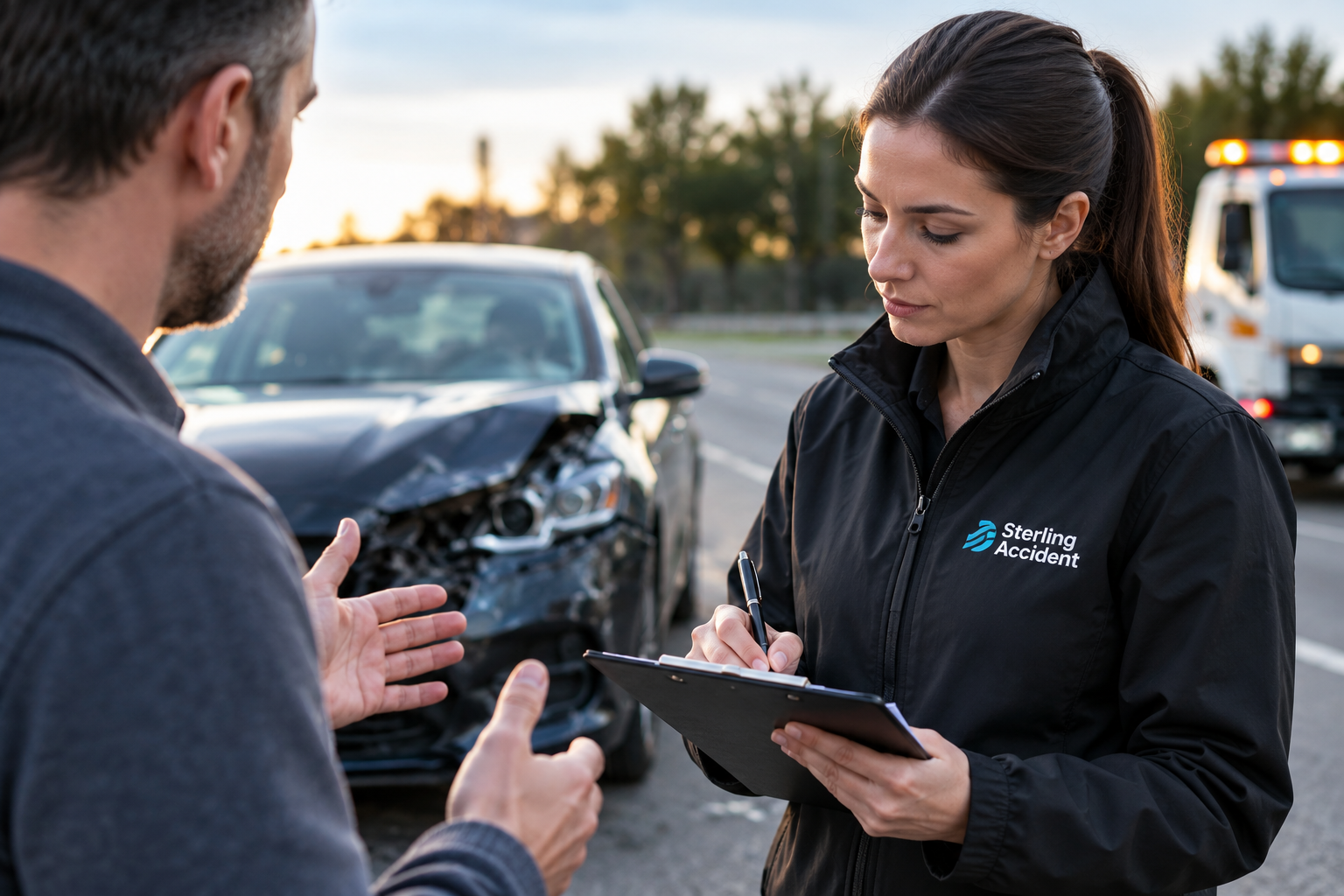
Private-hire drivers can have different insurance requirements depending on whether a vehicle is being used privately, logged into an app, travelling to collect a passenger or carrying one. The correct answer comes from the actual hire-and-reward motor policy and operator arrangements, not simply the app status.
What counts as on-duty private-hire use?
Private-hire work normally involves pre-booked passenger journeys through an appropriate licensed operator. The insurer may define covered activity to include waiting for a booking, travelling to collect a fare, and carrying a paying passenger, but policy wording varies.
A driver being logged into a platform does not automatically prove whether a journey was insured, nor does being between passengers automatically mean private use. Record the true purpose of the trip and ask the insurer for its policy definition.
Do not assume an app operator provides all primary commercial motor insurance.
Does hire-and-reward cover apply when off duty?
Many drivers have a motor policy that includes appropriate social, domestic or pleasure use as well as hire-and-reward activities, but not every policy is identical. Verify the certificate and full schedule.
An off-duty trip to shops may be different from travelling to a pickup or returning after paid work. The exact class of use and any geographical or driver restrictions are important.
If you use a second personal-only policy, check that it applies to this particular vehicle and driver; do not assume cover can be switched informally by turning an app off.
What documents should you check after a collision?
Keep the insurer’s motor certificate and full policy, private-hire licence, vehicle licence, operator records, trip acceptance logs and incident timing. A platform activity export can support the timeline but does not itself determine liability or cover.
Record where you were going and whether a booking had been accepted or a passenger was present. Correct any accidental misreporting promptly and truthfully; do not retrospectively alter app records or invent a non-commercial journey.
What if the insurer denies cover based on trip status?
Ask for the specific class-of-use exclusion, claims investigation and evidence on which the insurer relied. Clarify whether the dispute concerns vehicle damage cover, third-party liability or an additional platform benefit.
If the insurer’s investigation is unfair, use its formal complaint process; specialist legal advice may be needed where third-party injury or a large uninsured claim is involved. The FCA’s claims-handling rules require fair handling.
Do not continue paid passenger use until insurance status is confirmed.
What happens to repairs and a replacement PCO car?
Vehicle recovery and repair claims still depend on insurer authorisation and responsibility. Any working replacement needs a valid PHV licence, permitted driver and suitable hire-and-reward insurance for the authority and operator.
See PCO replacement paperwork. Uninsured or disputed hire fees may remain a separate contractual risk.
Five practical steps
- 1
Address immediate safety
Make the scene safe, notify your insurer and report trip status accurately.
- 2
Notify the correct people
Preserve app, operator and booking records showing what you were doing.
- 3
Gather and check the evidence
Compare the certificate, schedule and full commercial policy use definitions.
- 4
Confirm responsibilities in writing
Tell the operator or licensing authority where their rules require notification.
- 5
Keep a final record
Obtain written claims and replacement-vehicle decisions; do not assume any journey is covered.
Keep a clear paper trail: record policy and licence references, decisions, dates, actual costs and who approved the next action. Do not invent accident details or financial figures.
PCO Accident On Duty vs Off Duty: Insurance Differences: FAQs
Does Uber or Bolt automatically insure my PCO car?
Do not assume so. Check your own commercial motor cover and any precise platform benefit.
Am I insured when the app is off?
That depends on whether your actual policy includes appropriate private use.
What about driving to collect a passenger?
This may fall within private-hire use; verify how your policy defines the activity.
Is waiting for a booking on duty?
Insurance definitions vary; use the full policy and trip evidence.
Can I claim after an off-duty collision?
Possibly if the trip was covered under the relevant policy and other claim conditions are satisfied.
Can a passenger journey use ordinary private insurance?
Do not assume personal-only cover meets paid private-hire requirements.
Can I use a normal courtesy car for PCO work?
Not without appropriate PHV licensing, commercial cover and operator permissions.
What if cover is disputed?
Ask for the policy clause and factual reasons and seek appropriate advice or complaint review.
Need vehicle support following a collision?
Sterling can discuss qualifying recovery, assessment, authorised repair and replacement transport options. It cannot guarantee a business-income claim or the outcome of an insurer decision.