
Discovery record
Note when the vehicle was parked, when the damage was found and whether it had moved in between.
Home Car Accident Claims Parked Car Accidents
A claim where the driver may not have witnessed the impactA claim where the driver may not have witnessed the impact. The guidance keeps a clear boundary between coordination and external decisions.
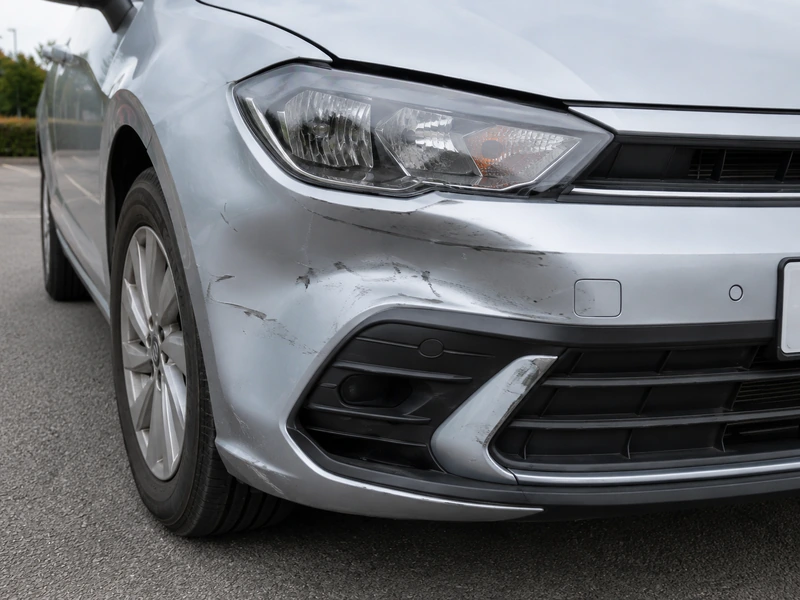
Note when the vehicle was parked, when the damage was found and whether it had moved in between.
Photograph the bay, kerb, street position, debris, paint transfer and surrounding signs or cameras.
Keep any note, registration fragment, witness contact or camera reference in its original form.
Verify names, registration and contact details rather than relying on an unconfirmed message.
Some systems overwrite recordings, so record where cameras are located promptly.
A parked impact can affect a wheel or tyre even when the engine starts normally.
Responsibility boundary: Sterling cannot identify an unknown driver or determine liability, but it can organise the evidence and vehicle repair route available to the customer.
When a parked car is hit, the useful evidence often comes from timestamps, location context, damage discovered on return, notes left by another driver, witnesses or nearby cameras. The record should distinguish what the keeper personally saw from what was later reported.
This guidance applies whether the car was unattended, you were inside it while stationary or the responsible vehicle is known only from partial information.
The sequence protects people and evidence first, then moves the damaged vehicle when it is safe.
Make sure damage has not affected tyres, wheels, mirrors, lights, glazing or loose panels.
Preserve transfer marks and debris that may help explain contact.
Contact the site operator, resident or business responsible for relevant cameras.
Notify the appropriate insurer and any required authority route for the circumstances.
Coordinate recovery where qualifying and needed, then inspection and repair.
When a parked car is hit, the useful evidence often comes from timestamps, location context, damage discovered on return, notes left by another driver, witnesses or nearby cameras. The record should distinguish what the keeper personally saw from what was later reported.
Prepare details covering discovery record, location context, third-party trace. Make sure damage has not affected tyres, wheels, mirrors, lights, glazing or loose panels. Preserve transfer marks and debris that may help explain contact.
Verify names, registration and contact details rather than relying on an unconfirmed message. Some systems overwrite recordings, so record where cameras are located promptly. A parked impact can affect a wheel or tyre even when the engine starts normally.
Sterling cannot identify an unknown driver or determine liability, but it can organise the evidence and vehicle repair route available to the customer.
Continue the vehicle-claim route with the related information here.
View accident-claim guidanceContinue the vehicle-claim route with the related information here.
View non-fault guidanceUse the car-park accident guide for reversing, bay-exit and access-lane collisions where vehicle movement and layout matter.
View car park accident guidanceSterling will review the vehicle position, explain the available coordination route and identify which organisation must make the next decision.