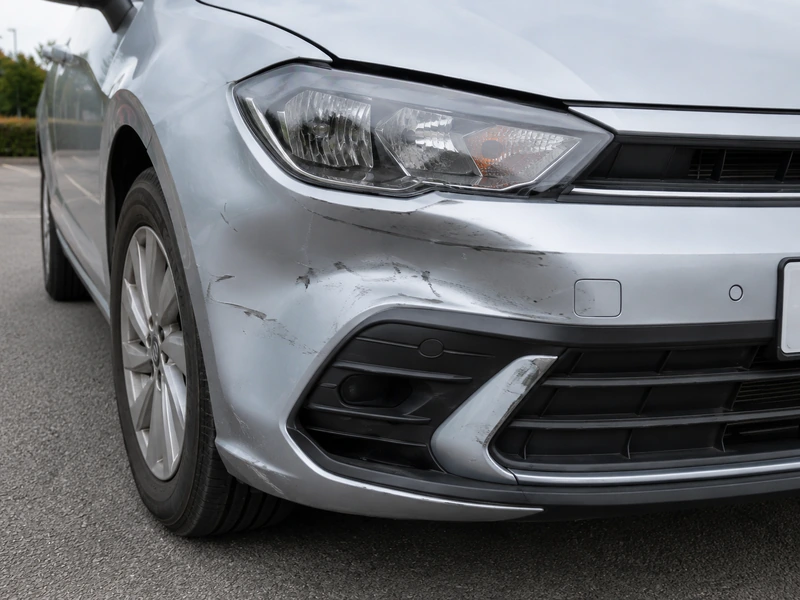
Need a vehicle damage assessment after an accident? Understand how repairers inspect visible and hidden damage, check roadworthiness and electronics, prepare a repair estimate and obtain insurer approval before work begins.
Structural and mechanical signsWheel position, suspension, steering, fluid loss and body alignment may affect roadworthiness and method
Electronic systemsSensors, cameras, lamps, restraint systems and warning messages can require diagnostics or calibration
Hidden damageTrim removal or controlled dismantling may reveal reinforcement, bracket or mounting damage not visible initially
Terms before commitmentThe repairer or engineer assesses damage within their competence; the responsible insurer or party decides funding and repairability
Safety before inspection
Is an accident-damaged car safe to drive to an assessment?
Do not judge roadworthiness by whether the engine starts or the car can move a short distance. Damage may affect systems you cannot see, and a qualified assessor may need to inspect it before it is moved under its own power.
Tyres, wheels, steering and suspension
A displaced wheel, tyre sidewall damage, unusual steering, rubbing, loss of alignment or fluid leak can make driving unsafe. Avoid a test drive to establish whether the car “still works”. Record its location and ask about appropriate recovery.
Airbags, restraints and warnings
Deployed airbags, damaged seat belts, warning lights, brake issues or compromised lamps and glazing require competent assessment. A warning light being off does not prove every restraint or electronic system is undamaged.
Body structure and concealed fixings
Impact may affect crash structures, reinforcement bars, underbody parts and mounting points behind panels. Loose exterior parts or distorted doors can also present hazards even where surface dents look small.
Hybrid and electric vehicle components
If a collision may have affected high-voltage batteries, orange-coloured cables or electrical systems, do not touch, disconnect or dismantle components. Tell the recovery provider and use suitably competent personnel and manufacturer procedures.
First report: give the accident location, registration, current vehicle position and the safety concerns you noticed. Photographs are useful but should only be taken when safe. You can submit a Sterling accident report before an engineer's report or insurer claim number exists. Follow GOV.UK's insurer-notification and accident-reporting duties.
Who decides whether repairs can begin?
How an accident repair assessment works
A vehicle damage assessment records what can be seen, what may require dismantling and which safety or electronic systems need specialist checks. It provides evidence for a repair estimate or total-loss consideration; it is not merely a photograph of the largest dent.
For motorists waiting on an engineer or repairer, it helps to know what an assessment contains, why hidden damage can change the estimate and which organisation authorises the work. An assessment is evidence for the next decision, not a guarantee of payment.
What the assessment should distinguish
Visible damage, hidden damage and specialist diagnostic checks
An initial estimate normally reflects what can be inspected without extensive strip-down. Further findings may be needed for a safe repair specification, including parts and operations not evident from photographs.
Inspection area
What may be checked
Records worth asking for
Exterior and impact geometry
Panels, gaps, bumper mounts, glazing, lamps, wheel position, alignment and the visible point of contact
Photographs, panel or alignment findings and an itemised first estimate
Hidden or structural damage
Reinforcement, brackets, inner panels, mounts, corrosion or previous damage, using controlled dismantling where authorised
Before-and-after strip-down photos, supplement and technical repair method
Mechanical and safety systems
Steering, suspension, brakes, wheel assemblies, restraints and relevant crash systems
Safety findings, parts list, specialist checks and any roadworthiness restrictions
Electronics and ADAS
Diagnostic fault codes, cameras, radar, sensors, windscreen or bumper work, wheel geometry and any manufacturer-required calibration
Pre- and post-repair scans, required calibration and test results where applicable
Repair economics
Labour, parts, paint, diagnostics, sublet work, extra findings and the vehicle's pre-accident value where total loss is considered
Revised estimate, engineer's reasoning and the insurer's written repair or total-loss decision
ADAS is a technical repair issue, not just a warning-light check. Where a repair affects cameras, radar, suspension geometry or associated components, the manufacturer method may call for scans, alignment and calibration by competent technicians. Thatcham Research explains ADAS inspection and calibration requirements. A repairer should retain the relevant results before releasing a vehicle when calibration is required.
From estimate to repair
From damage assessment to repair estimate and approval
The estimate, engineering decision and authority must line up before the repairer commits to work.
1
Record the whole vehicle
Record the registration, four sides, impact areas, gaps, glass and wheel positions when safe. Keep the original images and accident details.
2
Capture symptoms
List warning lights, steering or braking changes, unusual noise, fluid loss, restraint deployment and any post-collision safety concerns. Do not road-test an unsafe car.
3
Provide accident context
Give the assessor the collision direction, impact location, road circumstances and any earlier damage so accident-related items can be identified.
4
Complete technical inspection
Ask the repairer or engineer to check visible and hidden damage, relevant manufacturer methods, diagnostics and required calibration. Dismantling may need approval.
5
Issue the assessment record
Obtain the documented findings, itemised estimate and any additional-damage supplement. The responsible insurer or other party then considers repair authorisation or a total-loss decision.
What the assessor needs
What a vehicle damage assessment should record
Structural and mechanical signs
Wheel position, suspension, steering, fluid loss and body alignment may affect roadworthiness and method.
Electronic systems
Sensors, cameras, lamps, restraint systems and warning messages can require diagnostics or calibration.
Hidden damage
Trim removal or controlled dismantling may reveal reinforcement, bracket or mounting damage not visible initially.
From the report to an authorised outcome
Who approves the repair estimate, hidden-damage supplement or write-off?
The person inspecting the car can recommend work and record technical findings. The insurer or another responsible claim or vehicle owner party decides which work it will authorise and pay for under the applicable policy or agreement.
Initial inspection and estimate
The assessor records collision-related damage, visible symptoms, parts and labour, then sends the estimate and supporting photographs to the party responsible for authorisation. Do not treat a garage quotation as an insurer's funding approval.
Dismantling and extra damage
After authorised strip-down, hidden damage or additional safety work may require a revised estimate or supplement. Keep the old and new figures, photographs, reason for change and written supplementary approval before proceeding outside the agreed scope.
Repair versus economic total loss
The insurer may compare safe repair methods and full costs against the car's pre-accident market value and salvage position. The engineer's evidence informs this decision; a dent or repair percentage alone does not automatically decide the write-off category.
If the damage scope is disputed
Ask which items are accepted as accident-related, what was considered pre-existing, and why any operation was declined. Keep original photographs, claim notes and technical opinions. An eligible insurer complaint may be considered by the Financial Ombudsman Service.
Insurer or repairer disagreement? The Financial Ombudsman Service explains how it considers vehicle-repair complaints, including delays, disputed damage, repair standards and engineer evidence. Approval, the treatment of a chosen non-network garage and any guarantee depend on the individual policy and circumstances.
A vehicle that starts and moves can still be unsafe because of steering, suspension, tyre, restraint, lighting or structural damage. Do not drive merely to test it.
Treating estimate as authority
Technical findings and estimates do not automatically approve work, a supplement or payment. Ask who is authorised to agree the repair scope and costs.
Hiding pre-existing condition
Document earlier marks and faults separately from the collision. Evidence such as photographs, service records and damage patterns can help resolve disputed items.
Responsibility boundary: The repairer or engineer assesses damage within their competence; the responsible insurer or party decides funding and repairability.
Assessment questions answered
Vehicle damage assessment after an accident: FAQs
It is a technical examination of visible, possible hidden, mechanical, structural and electronic damage, with findings recorded for a repair estimate or total-loss consideration. It does not itself guarantee insurer payment.
Yes. An impact may affect wheel alignment, steering, brakes, airbags, restraint systems, electronics or parts behind body panels. Do not drive when safety-critical damage is suspected; ask about inspection and recovery.
The insurer or responsible party may require an engineer or competent repairer to inspect the vehicle and produce a report or estimate. The required expertise and inspection method depend on the damage and vehicle.
The first estimate may be based on visible damage. Authorised dismantling can reveal broken mounts, structural parts, wiring, sensors or other damage. The repairer should document a revised estimate and request any required supplementary approval.
No. A repairer can identify necessary work and costs, but insurer, owner or other responsible-party approval may be required before repairs or extra operations are funded. Get approval in writing.
ADAS covers safety-assistance functions such as cameras and radar. Repairs involving sensors, windscreens, bumpers, suspension or geometry may need diagnostics and manufacturer-specified calibration. Ask the repairer for relevant completion records.
A competent specialist may inspect panels, reinforcement, mounting points, vehicle geometry and manufacturer repair methods. Hidden structural damage may only become clear after authorised dismantling; an external photograph cannot confirm structural safety.
The assessor should distinguish accident-related items from earlier damage using photographs, records, condition evidence and the impact mechanism. Insurers may dispute work unrelated to the collision; ask for the reasons in writing.
The insurer or authorised claims decision-maker considers engineering findings, safe repair methods, full repair costs, pre-accident value and salvage. Sterling can coordinate evidence but does not decide the repair or total-loss outcome.
Your available choice depends on the insurer and policy route. Ask about network requirements, inspection charges, authorisation, repair guarantees and responsibility for problems with a garage you select.
Request the assessment, supporting photos, estimate, reasons for excluded items and relevant technical evidence. Submit factual corrections and use the insurer's complaints process. The Financial Ombudsman may consider an eligible unresolved complaint.
Yes. Start the report with the collision details, vehicle registration, location and whether the car is safe to drive. You can provide photographs, engineer findings and an insurer reference later when available.
Need help arranging an accident damage assessment?
Tell Sterling where your vehicle is, how it was damaged and whether it is safe to drive. We can review qualifying assessment, recovery and authorised repair options without promising a particular insurer decision or free service. Photos and claim references can follow later.