
Visible contact area
Photograph the whole vehicle and the close damage so panel alignment and the point of impact can be understood.
Home Minor Car Accident Claims
Small-looking damage deserves proportionate checksSmall-looking damage deserves proportionate checks. The guidance keeps a clear boundary between coordination and external decisions.
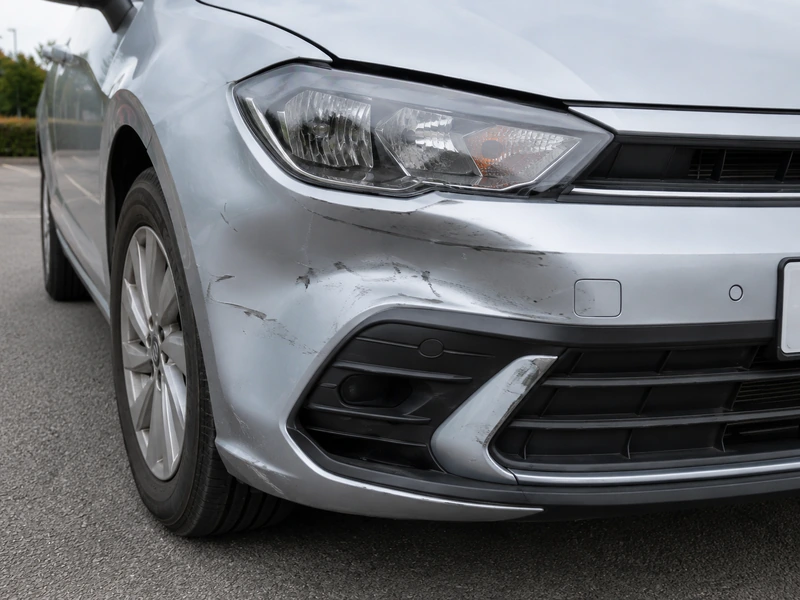
Photograph the whole vehicle and the close damage so panel alignment and the point of impact can be understood.
Record warning lights, steering change, unusual noise, fluid, lighting or parking-sensor behaviour after the event.
If damage becomes apparent after leaving, note when and how it was found without altering the original account.
A roadside amount may be agreed before hidden damage, calibration or hire needs are understood.
A bumper cover can look modestly damaged while its fixings or equipment need attention.
Without photographs and exchanged details, a later disagreement becomes harder to resolve.
Responsibility boundary: Sterling does not declare a vehicle safe or decide whether the insurer will accept the claim; it can coordinate evidence, assessment and repair once the route is confirmed.
A minor collision can leave only a scrape or low-speed dent while still affecting sensors, brackets, wheels, lights or panels beneath the visible surface. The response should be proportionate: document the event, check roadworthiness, notify the relevant insurer and avoid dismissing damage before an assessment.
This page is for drivers after a low-speed impact who are unsure whether the incident is worth reporting or whether the vehicle can safely continue in use.
Each step creates the record or decision needed to move the damaged vehicle forward.
Record drivers, registrations, insurers and the location even where both vehicles appear lightly marked.
Capture context, plates and damage before vehicles are moved when it is safe to do so.
Look at wheels, tyres, lights, glazing, fluids and loose components before driving.
Use the relevant insurance or Sterling route and retain the reference.
Let a suitable repair or engineering process decide whether hidden operations are required.
This page is for drivers after a low-speed impact who are unsure whether the incident is worth reporting or whether the vehicle can safely continue in use.
The important areas are visible contact area, functional symptoms, later discovery. Each should be recorded accurately for the individual vehicle.
A roadside amount may be agreed before hidden damage, calibration or hire needs are understood. A bumper cover can look modestly damaged while its fixings or equipment need attention. Without photographs and exchanged details, a later disagreement becomes harder to resolve.
No. Sterling does not declare a vehicle safe or decide whether the insurer will accept the claim; it can coordinate evidence, assessment and repair once the route is confirmed.
See the reporting, evidence and vehicle-support steps for this situation.
View accident-claim guidanceSee how recovery, assessment, authorisation and repair can stay on one case.
View accident managementFollow each stage from the first report to the vehicle's return.
See how the service worksSterling will review the vehicle position, explain the available coordination route and identify which organisation must make the next decision.