
Sequence of impacts
In a queue, record whether there was one impact or several and whether your vehicle was pushed into another.
Home Car Accident Claims Rear End Collisions
Evidence after an impact from behindEvidence after an impact from behind. Sterling explains the available route without promising a liability, repair, recovery or mobility outcome.
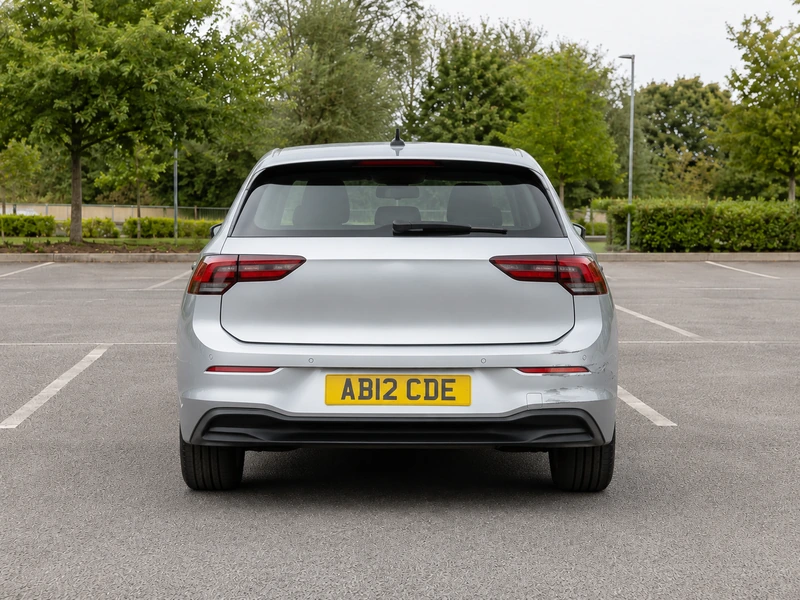
A rear-end collision may appear straightforward, but the vehicle claim still benefits from accurate positions, traffic conditions, contact points and a record of every vehicle involved. Sterling focuses on preserving that evidence and coordinating the damaged vehicle while the relevant insurer considers liability.
This page is for drivers struck from behind, drivers alleged to have hit the vehicle ahead and occupants of a multi-vehicle queue collision.
The sequence protects people and evidence first, then moves the damaged vehicle when it is safe.
Deal with injuries and traffic hazards before examining vehicle damage.
Record registrations, drivers, insurers and the order of vehicles in the incident.
Save dashcam, witnesses and lawful nearby camera information promptly.
Check lights, boot closure, wheels, fluids and loose rear bodywork before moving.
Report the event and coordinate qualifying recovery, assessment and repair.
In a queue, record whether there was one impact or several and whether your vehicle was pushed into another.
Note lane, direction, signals, junction position, weather and whether traffic was stationary or slowing.
Wide and close photographs of both vehicles help compare reported contact points without deciding causation.
Do not treat the collision type alone as a final decision on responsibility.
A multi-car event can be misunderstood if each impact and vehicle position is not described.
Preserve relevant components until the required assessment has taken place.
Responsibility boundary: Sterling records the vehicle facts and manages practical services; insurers or other responsible parties decide liability and authorisation.
This page is for drivers struck from behind, drivers alleged to have hit the vehicle ahead and occupants of a multi-vehicle queue collision.
The important areas are sequence of impacts, road and traffic state, damage correspondence. Each should be recorded accurately for the individual vehicle.
Do not treat the collision type alone as a final decision on responsibility. A multi-car event can be misunderstood if each impact and vehicle position is not described. Preserve relevant components until the required assessment has taken place.
No. Sterling records the vehicle facts and manages practical services; insurers or other responsible parties decide liability and authorisation.
See the reporting, evidence and vehicle-support steps for this situation.
View accident-claim guidanceSee what evidence helps the liability review and what still depends on another party.
View non-fault guidanceCheck the access, destination and eligibility details needed before collection.
View recovery guidanceSterling will review the vehicle position, explain the available coordination route and identify which organisation must make the next decision.