
Identification fragments
A colour, make, distinguishing mark, partial plate, time and direction can be more useful together than an uncertain full registration.
Home Car Accident Claims Hit And Run Accidents
Preserving a claim when the other driver leavesPreserving a claim when the other driver leaves. Use this guide to see who needs to act and which terms should be confirmed.
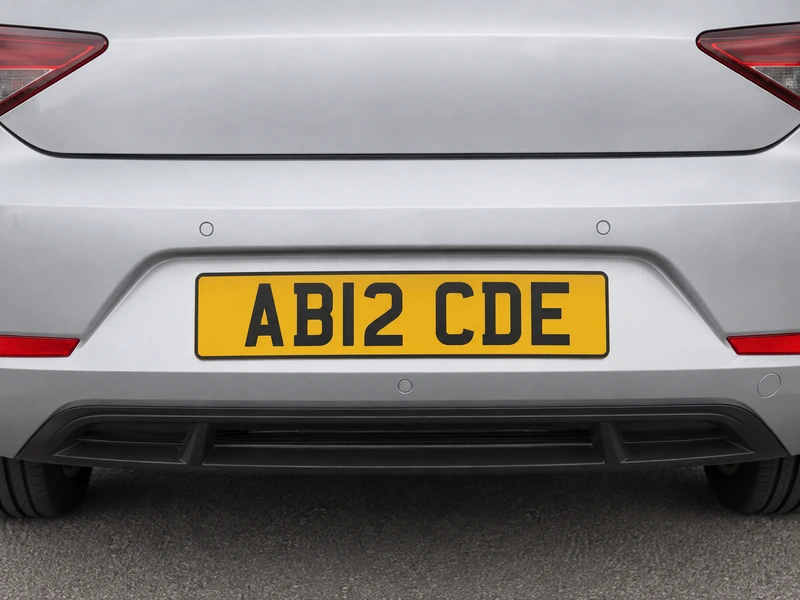
A colour, make, distinguishing mark, partial plate, time and direction can be more useful together than an uncertain full registration.
Record witness contacts, dashcam file locations and nearby cameras without editing the original material.
Keep police and insurer reference numbers so later evidence can be attached to the correct incident.
After a hit-and-run incident, prioritise safety and record what can still be verified: vehicle description, partial registration, direction of travel, witnesses, cameras and the damaged vehicle. Prompt reporting through the appropriate police and insurance routes may be important to the available claim process.
This page supports motorists whose parked or moving vehicle was struck and the other driver did not stop or could not be identified.
Pursuit can create further danger and does not preserve the scene.
Do not identify an unverified person publicly; pass evidence to the appropriate authorities and insurer.
Edited clips or screenshots may omit information held in the source file.
Responsibility boundary: Sterling does not investigate crime or identify the driver. It can keep the vehicle evidence and practical claim arrangements connected to the official references.
The sequence protects people and evidence first, then moves the damaged vehicle when it is safe.
Do not pursue another vehicle or remain exposed to moving traffic.
Separate what you personally saw from information supplied by witnesses.
Save original dashcam, phone and camera files with their dates where possible.
Notify the police and insurer according to the circumstances and instructions given.
Arrange qualifying recovery if it is unsafe, followed by assessment and repair coordination.
This page supports motorists whose parked or moving vehicle was struck and the other driver did not stop or could not be identified.
The important areas are identification fragments, independent sources, report references. Each should be recorded accurately for the individual vehicle.
Pursuit can create further danger and does not preserve the scene. Do not identify an unverified person publicly; pass evidence to the appropriate authorities and insurer. Edited clips or screenshots may omit information held in the source file.
No. Sterling does not investigate crime or identify the driver. It can keep the vehicle evidence and practical claim arrangements connected to the official references.
See the reporting, evidence and vehicle-support steps for this situation.
View accident-claim guidanceSee what evidence helps the liability review and what still depends on another party.
View non-fault guidanceCheck the access, destination and eligibility details needed before collection.
View recovery guidanceSterling will review the vehicle position, explain the available coordination route and identify which organisation must make the next decision.