
Context plus close-up
Take whole-vehicle and location photographs as well as the visible scrape or dent.
Home What To Do After A Minor Car Accident
A proportionate response to low-speed damageA proportionate response to low-speed damage. Sterling explains the available route without promising a liability, repair, recovery or mobility outcome.
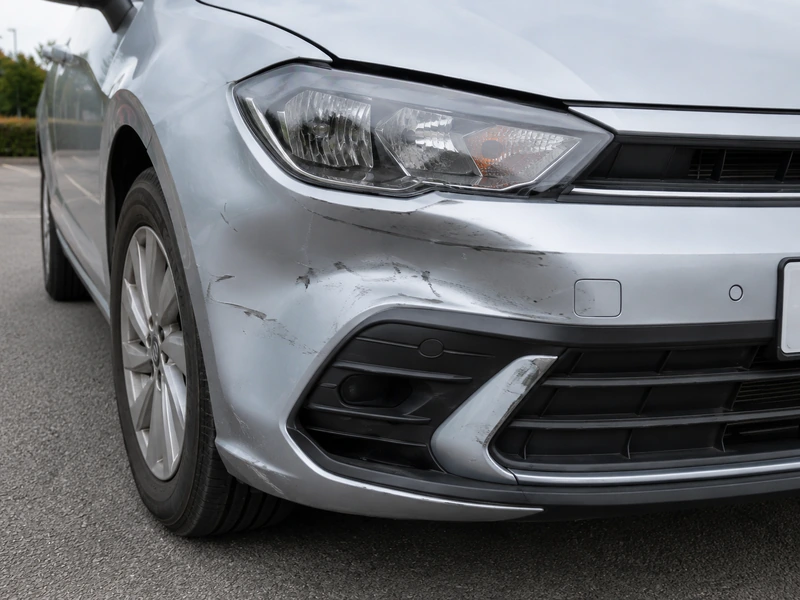
After a minor car accident, do not let a small mark replace a proper record. Exchange details, photograph the vehicles and surroundings, check essential functions and notify the relevant insurer. Hidden brackets, sensors, wheel damage or alignment issues may only become clear later.
This guide is for low-speed car-park, parking, queue and light-contact incidents where the vehicles appear usable but the claim position is uncertain.
Use the order below to protect people and evidence, then identify the organisation responsible for the next decision.
Keep names, contacts, registrations and insurers even if neither party plans an immediate repair.
Photograph bays, lanes, signs and final positions where safe.
Inspect tyres, wheels, lamps, mirrors, glazing, fluids and loose trim.
Follow the policy’s reporting instructions and retain the reference.
Use evidence rather than appearance alone to decide the repair route.
Take whole-vehicle and location photographs as well as the visible scrape or dent.
Note new warning lights, steering feel, noise, sensor faults or difficulty opening panels.
Record when the contact happened and when any later symptom was discovered.
Visible damage may not reveal calibration, fixings or parts costs.
A later disagreement is much harder when the other vehicle and driver were not recorded.
Photograph paint marks or debris before altering the damage.
Responsibility boundary: Sterling can review and coordinate the vehicle route but cannot certify the car safe remotely or decide whether an insurer accepts the incident.
After a minor car accident, do not let a small mark replace a proper record. Exchange details, photograph the vehicles and surroundings, check essential functions and notify the relevant insurer. Hidden brackets, sensors, wheel damage or alignment issues may only become clear later.
Prepare details covering context plus close-up, changed behaviour, original chronology. Keep names, contacts, registrations and insurers even if neither party plans an immediate repair. Photograph bays, lanes, signs and final positions where safe.
Visible damage may not reveal calibration, fixings or parts costs. A later disagreement is much harder when the other vehicle and driver were not recorded. Photograph paint marks or debris before altering the damage.
Sterling can review and coordinate the vehicle route but cannot certify the car safe remotely or decide whether an insurer accepts the incident.
Continue the vehicle-claim route with the related information here.
View the related guidanceContinue the vehicle-claim route with the related information here.
View accident-claim guidanceContinue the vehicle-claim route with the related information here.
See how the service worksSterling will review the vehicle position, explain the available coordination route and identify which organisation must make the next decision.